Efficient Sprinkler Irrigation & Raingun Solutions in Pakistan

Introduction to Sprinkler Irrigation Technology

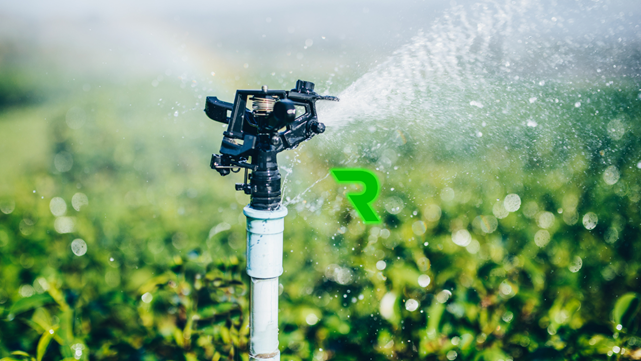
At Rabail Technologies, we deliver modern sprinkler irrigation systems designed for efficient crop irrigation and water-saving irrigation. Whether you manage a small vegetable plot or a large commercial farm, the right agriculture sprinkler helps you grow more crops per drop by mimicking natural rainfall — distributing water evenly, minimizing wastage, and ensuring healthier, stronger crops.

From field sprinkler irrigation setups to portable sprinkler irrigation for farms, our systems are practical, affordable, and proven to help Pakistani farmers conserve water and produce better yields.
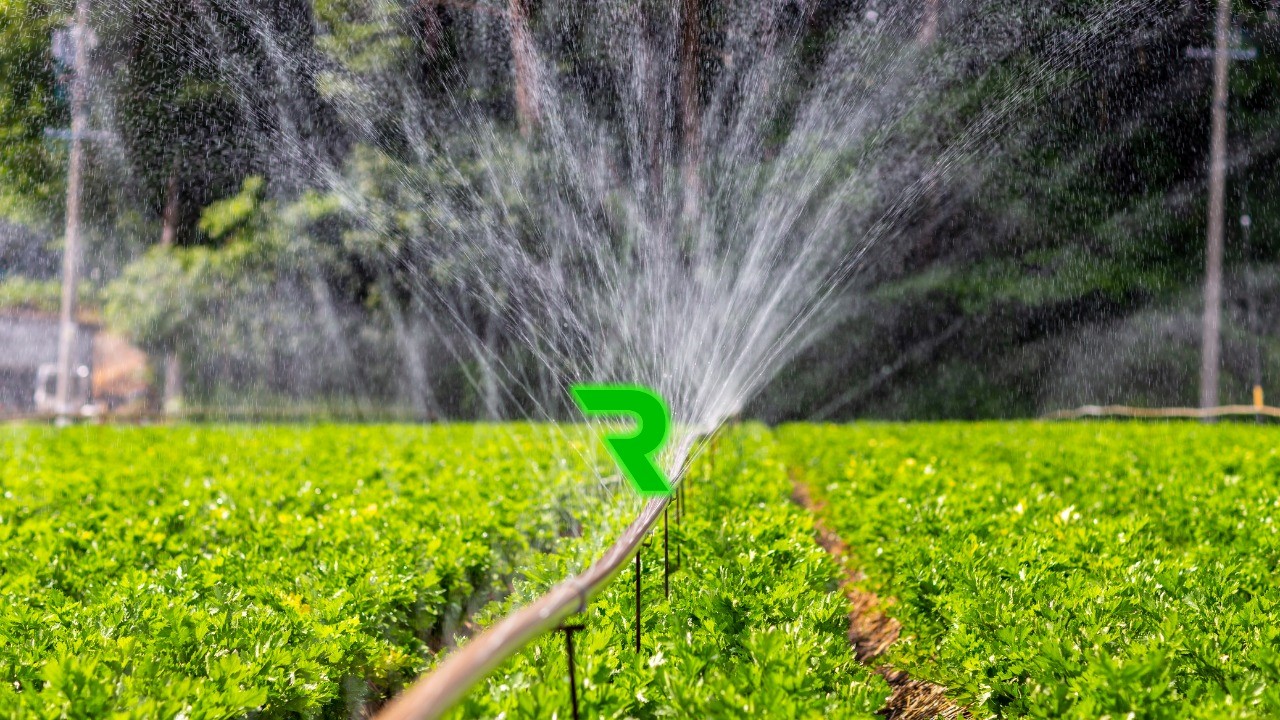
Types of Sprinkler Systems

We offer a full range of sprinkler irrigation systems for every crop, field size, and power source:

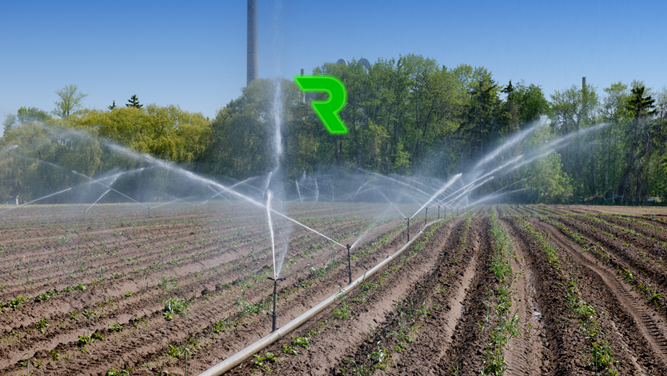
  • Fixed sprinkler systems for fields — ideal for orchards, wheat, sugarcane, fodder, and row crops.
  • Portable sprinkler systems — easy to move between plots; powered by diesel engines, tractor PTOs, solar panels, or electricity.
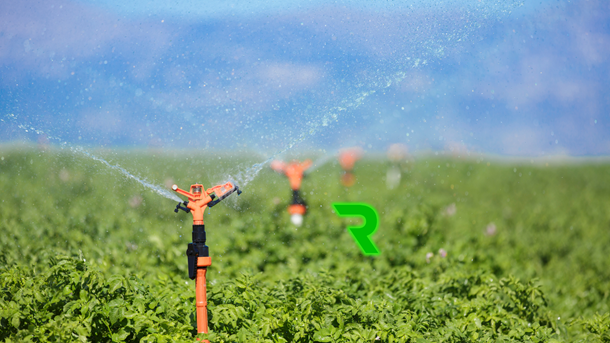
  • Mini sprinkler systemsReliable Impact Sprinklers for crops and landscapes. perfect for vegetable farming, nurseries, tunnels, and small row crops.
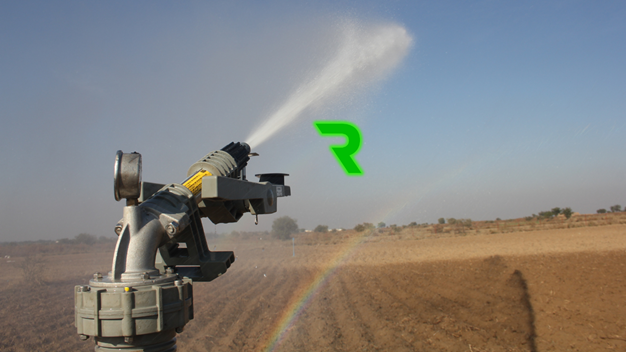
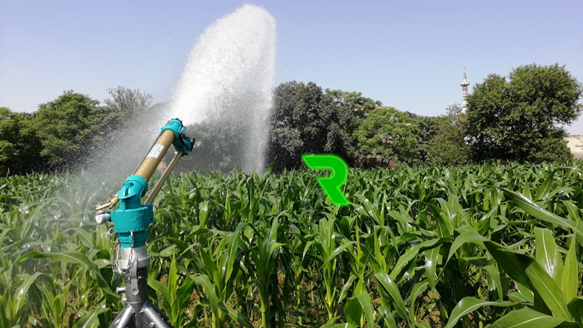
  • Raingun irrigation systemsPowerful Rainguns for high-volume coverage and maximum water saving irrigation on large farms.

Whether you need a diesel engine-operated sprinkler system, tractor-operated sprinkler irrigation, a solar sprinkler irrigation system for agriculture, or an electric sprinkler system for farms, Rabail Technologies has the solution for you.

Solutions & Scope in Agriculture

Raingun Irrigation

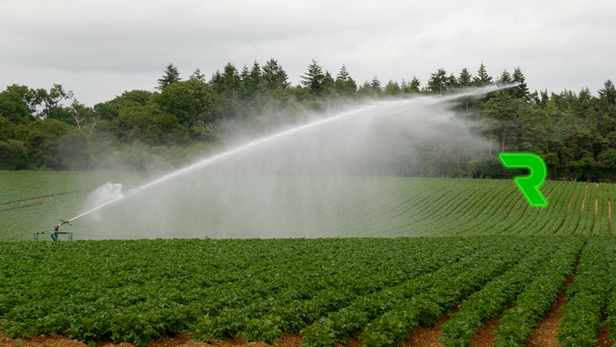
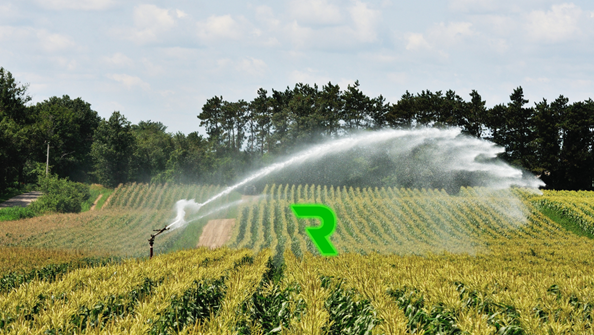
Rabail Technologies supplies flexible raingun irrigation systems for crops that deliver high-volume, uniform watering for large fields — wheat, sugarcane, fodder, orchards — saving water and achieving more crop per drop.

We supply:

  • Gear-driven rainguns and impact sprinklers for powerful, uniform spray.
  • Fixed raingun systems for permanent field setups.
  • Portable raingun systems to use across multiple agricultural fields
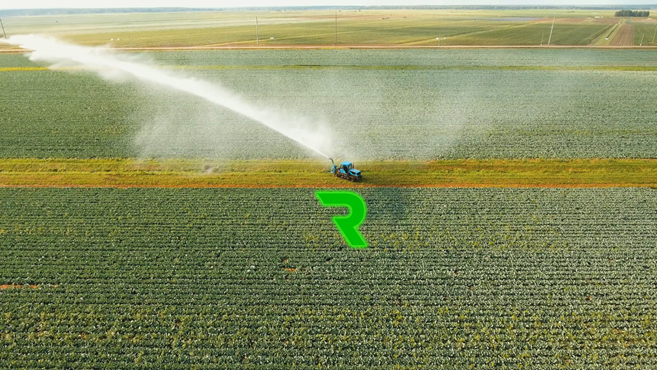
  • Tractor-operated portable raingun systems — run with your tractor’s PTO for remote field.
  • Diesel engine portable raingun systems for off-grid farms.
  • Solar sprinkler irrigation systems for agriculture — save fuel with clean energy.
  • Portable rainguns with diesel engines — flexible and high-volume for medium to large farms.

Every farm rain gun sprinkler installation is designed by our trained team for maximum coverage, lower fuel use, and consistent results.

Mini Sprinklers

Our mini sprinkler systems provide precise, low-volume irrigation — perfect for vegetables, nurseries, orchards, tunnels, and greenhouses. Farmers can protect delicate crops, irrigate efficiently, and save labor and water.

We provide:

  • Mini sprinklers for vegetable farming, tunnels, nurseries, and greenhouses.
  • Flexible designs — from fixed sprinkler systems for fields to portable sprinkler irrigation for farms.
  • Smart combos — mixing drip vs sprinkler irrigation for crops as needed.
  • Multiple power choices — solar, diesel, or electric sprinklers.
  • Cost-effective kits for small farmers, i.e., low mini sprinkler system cost, low sprinkler irrigation kit cost for small farmers, to make modern irrigation accessible to all.

Our team explains and quotes rain gun sprinkler price in Pakistan, including tractor-mounted sprinkler price, diesel-operated sprinkler price, or solar sprinkler system price for crops, so you can choose wisely for your budget.

Advantages of Sprinkler Irrigation

Modern sprinkler irrigation and raingun irrigation systems for crops help farmers use water wisely, protect crops, and increase yield. A quality field sprinkler irrigation setup offers real benefits:

  • Uniform water distribution — every plant gets the right moisture for higher yields and more crop per drop.
  • Water saving irrigation — irrigate more area with less water in less time, raising water use efficiency.
  • Frost protection — sprinklers give reliable frost protection for crops, creating a protective layer in sudden cold snaps.
  • Crop cooling & washing — a modern sprinkler system for crop cooling reduces leaf heat in summer; it also works as a crop washing system to remove dust/pests, boosting photosynthesis and plant health.
  • Soil softening & aeration — spray irrigation keeps soil soft, improves soil softening, enhances soil aeration, and supports healthy root growth.
  • Lower energy use — compared to flooding, modern sprinklers cut pumping time, reduce diesel consumption, cut down electricity bills, and lower total energy costs.
  • Flexible power options — use diesel engine-operated sprinkler systems, tractor-operated sprinkler irrigation, solar sprinkler irrigation systems, or electric sprinkler systems based on what you have.
  • Multi-crop coverage — suitable for wheat irrigation, sugarcane irrigation, fodder crops, vegetables, orchards, tunnels, and much more.
  • Affordable, clear pricing — upfront costs for all setups: i.e., sprinkler irrigation system price in Pakistan, rain gun price, tractor-mounted sprinkler price, mini sprinkler system cost, solar sprinkler system price for crops.
  • Sustainable farming — smart crop irrigation sprinklers reduce runoff, protect soil, and save water for future generations.

With Rabail Technologies, your farm gets a reliable sprinkler irrigation system made for Pakistan’s conditions — protecting crops, soil, and your investment year after year.

Rabail Technologies’ Expertise

As leading sprinkler irrigation system suppliers in Pakistan, Rabail Technologies designs, installs, and maintains efficient irrigation solutions for every farm — from small veggie tunnels to vast fields. We help you choose the best sprinkler system for agriculture, matched to your land, water source, and budget.

Our Role in Smart Irrigation

We provide:

  • Complete design, supply, installation, and support for fixed & portable sprinkler irrigation for farms.
  • Cost-effective choices for every scenario: portable sprinkler price for farm, tractor-operated sprinkler irrigation, diesel engine-operated sprinkler systems, solar sprinkler irrigation systems for agriculture.
  • Honest advice on drip vs sprinkler irrigation comparison for crops, so you can choose right.
  • Local support and simple steps to buy sprinkler irrigation systems online.

Brands We Deal In

Rabail Technologies proudly supplies genuine sprinklers, rainguns, and mini sprinklers from trusted global brands: Ducar, Yuazak, Erhas, Komet, China Made, and Duplex SIME. Whether you want a rain gun, impact sprinkler, or full sprinkler irrigation kit, you get real equipment, expert guidance, and local after-sales support.

Why Choose Rabail Technologies

Choosing Rabail Technologies means choosing experience, value, and transparency. With 20+ years in Pakistan’s irrigation field, we know your crops, climate, and challenges.

  • Solutions for all farms — from tunnels to huge fields.
  • Local backup, spare parts, and ongoing service.
  • Honest pricing — whether you’re checking sprinkler irrigation system price in Pakistan, rain gun price, tractor-mounted sprinkler price, or mini sprinkler system cost, we will help you in achieving the best economical design and products. Trusted sprinkler system dealers in Pakistan — we back our work with warranties and local help.

Impact of Partnering with Rabail Technologies

Partnering with us means:

  • Healthier crops, bigger harvests with a modern field sprinkler irrigation setup.
  • Smarter water use, lower fuel costs.
  • Reliable agriculture sprinklers for long-term farm performance.
  • Local help for design, training, and parts.
  • Peace of mind — grow more crop per drop, year after year.

Contact us today for the best sprinkler for large farms, affordable sprinkler irrigation kits, or expert advice — and let’s build a greener, water-smart future for Pakistan together!

Learn more in our guide to Sprinkler Irrigation Efficiency.

Sprinkler Irrigation System FAQ for Agriculture

  1. What is a sprinkler irrigation system?
    A sprinkler irrigation system distributes water through pumps, pipes, and sprinklers to simulate rainfall, ensuring uniform irrigation for crops. Boost pressure using our Surface and Submersible Pumps.
  2. What types of sprinkler systems are used in agriculture?
    Common types include impact sprinklers, micro sprinklers, traveling sprinklers, and center pivot systems suitable for different crops, field sizes, and irrigation requirements.
  3. How does a sprinkler system work?
    Water is pumped from a tank, canal, or tube well through pipes to sprinklers, which spray water evenly across fields.
  4. Can sprinkler irrigation improve crop yield?
    Yes, uniform water distribution reduces water stress, enhances growth, and increases crop yield.
  5. Are sprinklers suitable for all crop types?
    Sprinklers are ideal for vegetables, cereals, pulses, orchards, and horticultural crops.
  6. Can sprinkler systems save water?
    Yes, modern sprinklers reduce water wastage, prevent runoff, and improve irrigation efficiency.
  7. How are sprinklers installed in a field?
    Installation involves laying main and lateral pipes, connecting sprinklers, pumps, filters, and valves.
  8. Can sprinklers work on sloped land?
    Yes, with pressure control, proper spacing, and flow adjustment, sprinklers distribute water evenly on uneven terrain.
  9. How is water pressure managed in sprinklers?
    Pressure is regulated using pressure regulators, pumps, and valves to maintain uniform spray patterns.
  10. Can sprinklers be used for orchards?
    Yes, micro sprinklers or impact sprinklers are ideal for fruit trees like mango, citrus, and guava.
  11. Can sprinklers be used in greenhouses?
    Yes, micro sprinklers and drip-assisted sprinklers provide uniform moisture in polyhouses and tunnels.
  12. How often should sprinklers be maintained?
    Maintenance includes cleaning nozzles, checking for leaks, flushing pipes, and inspecting pumps every 2–3 months.
  13. Can sprinkler systems be automated?
    Yes, automation with digital timers, moisture sensors, and controllers ensures efficient irrigation scheduling.
  14. Can sprinklers reduce labor costs?
    Yes, they eliminate manual watering and save labor while ensuring uniform crop irrigation.
  15. Can sprinklers be used with rainwater harvesting systems?
    Yes, water collected from tanks, ponds, or rooftops can be supplied to sprinklers via pumps.
  16. How do sprinklers integrate with drip irrigation?
    Sprinklers can complement drip lines to irrigate areas where drip alone cannot cover.
  17. Can sprinklers be used on small farms?
    Yes, portable sprinklers, mini sprinklers, and micro sprinkler systems are ideal for kitchen gardens and small fields.
  18. How does sprinkler irrigation prevent soil erosion?
    By distributing water gently and uniformly, sprinklers prevent waterlogging and soil runoff.
  19. Can sprinklers support fertigation?
    Yes, water-soluble fertilizers can be applied through fertigation using sprinklers connected to tanks and filters.
  20. Are sprinklers suitable for cereals and grains?
    Yes, wheat, maize, and rice fields benefit from uniform irrigation through suitable sprinkler layouts.
  21. Can sprinklers operate with solar pumps?
    Yes, solar pumps can supply water to sprinkler lines, reducing electricity costs and supporting sustainable farming.
  22. How do sprinklers save water compared to flood irrigation?
    Sprinklers deliver water directly to the crop canopy or root zone, reducing losses through runoff and evaporation.
  23. How do sprinklers improve water distribution uniformity?
    Proper spacing, pressure regulation, and lateral layout ensure all crops receive adequate water.
  24. Can sprinklers be used in tunnels and polyhouses?
    Yes, micro sprinklers and low-pressure sprinklers provide uniform moisture for greenhouse crops.
  25. Can sprinklers be used in orchards with irregular tree spacing?
    Yes, sprinklers can be adjusted or relocated to match tree spacing and irrigation requirements.
  26. Can sprinklers be buried underground?
    Micro sprinklers can be installed near the soil surface or recessed, preventing damage and obstruction.
  27. Can sprinklers be used for vegetable nurseries?
    Yes, they provide gentle, uniform irrigation for seedlings and saplings.
  28. How do sprinklers help in dry seasons?
    By providing a reliable water supply from tanks or groundwater, sprinklers maintain crop health during drought.
  29. Can sprinklers be used for multiple crops simultaneously?
    Yes, zoned irrigation with separate lines allows different crops to receive water according to their needs.
  30. How do sprinklers reduce energy consumption?
    Modern low-pressure sprinklers combined with efficient pumps reduce power usage while maintaining coverage.
  31. Can sprinklers be used for orchard fertigation?
    Yes, sprinklers can deliver fertilizers and nutrients through water lines, supporting healthy tree growth.
  32. How often should sprinkler nozzles be checked?
    Nozzles should be inspected and cleaned monthly or after debris accumulation to maintain uniform spray.
  33. Can sprinklers handle seasonal water fluctuations?
    Yes, with tanks, pumps, and proper pipe sizing, sprinklers can manage both high and low water availability.
  34. Are sprinklers environmentally friendly?
    Yes, they reduce water wastage, energy use, and support sustainable irrigation practices.
  35. Can sprinklers supply water to livestock farms?
    Yes, sprinklers can water feed crops, pasture areas, and maintain moisture in barns.
  36. Can sprinklers improve crop quality?
    Uniform water supply through sprinklers reduces water stress, supports nutrient uptake, and improves quality and yield.
  37. Can sprinklers be connected to rain pipe systems?
    Yes, rain pipe systems can feed water into sprinkler networks for efficient irrigation.
  38. How is sprinkler spacing determined?
    Spacing depends on crop type, sprinkler type, pressure, and water flow rate.
  39. Can sprinklers reduce dependency on manual irrigation?
    Yes, automated sprinklers replace labor-intensive watering methods, saving time and effort.
  40. Can sprinklers be used for high-value crops?
    Yes, crops like vegetables, fruits, and flowers benefit from precise water application.
  41. How do sprinklers integrate with soil moisture sensors?
    Sensors automate irrigation by turning sprinklers on or off based on soil moisture levels.
  42. Can sprinklers be used on uneven terrain?
    Yes, pressure-regulated sprinklers and proper lateral pipe placement ensure uniform irrigation.
  43. Can sprinklers prevent water wastage in fields?
    Yes, controlled flow and uniform coverage minimize water loss due to runoff or evaporation.
  44. Can sprinklers be used in combination with drip irrigation?
    Yes, sprinklers cover areas not reached by drip lines, providing full-field irrigation.
  45. Can sprinklers be moved for different crop layouts?
    Portable sprinklers can be relocated easily to match changing field patterns.
  46. Can sprinklers support fertigation in vegetable fields?
    Yes, fertilizers can be delivered via sprinkler water lines, ensuring uniform nutrient distribution, although it can be unsafe from environmental point of view
  47. Can sprinklers be used in orchards with multiple tree varieties?
    Yes, sprinkler layout can be adjusted to provide appropriate water to each tree type.
  48. How do sprinklers integrate with pumps?
    Pumps lift water from tanks, ponds, or tube wells into sprinkler lines for irrigation.
  49. Can sprinklers operate during windy conditions?
    Modern sprinklers with low-pressure or micro sprinkler heads reduce water drift in mild wind.
  50. How do farmers select the right sprinkler system?
    Selection depends on farm size, crop type, water availability, pressure, and cost, ensuring optimal irrigation performance